
Are you facing a strategic choice: building your own center or outsourcing your warehouse? At MPT Stanro, we've been optimizing supply chains for over 30 years, so we know this decision directly determines your profitability. We've prepared a TCO breakdown, market rates for 2025-2026, and a risk analysis. With us, you can precisely calculate your break-even point and choose the model that will provide your company with operational peace of mind and real savings.
Logistics models and warehouse outsourcing in your strategy
Choosing the right logistics model is a decision about how to manage the flow of goods, not just about renting square meters. Contract logistics allows you to relieve yourself of operational burdens and focus on your core business, i.e., sales and market expansion. As a partner with 30 years of experience in the FMCG sector, we implement solutions that guarantee full system integration and the security of your inventory.
What is the difference between contract logistics and space rental?
This concept denotes a strategic partnership in which the operator manages your goods using an advanced WMS (Warehouse Management System). With traditional rental, you only receive the "walls," while with contract logistics, you gain full process management.
Modern logistics offers several levels of third-party provider involvement, tailored to the scale of the operation. The most common models include:
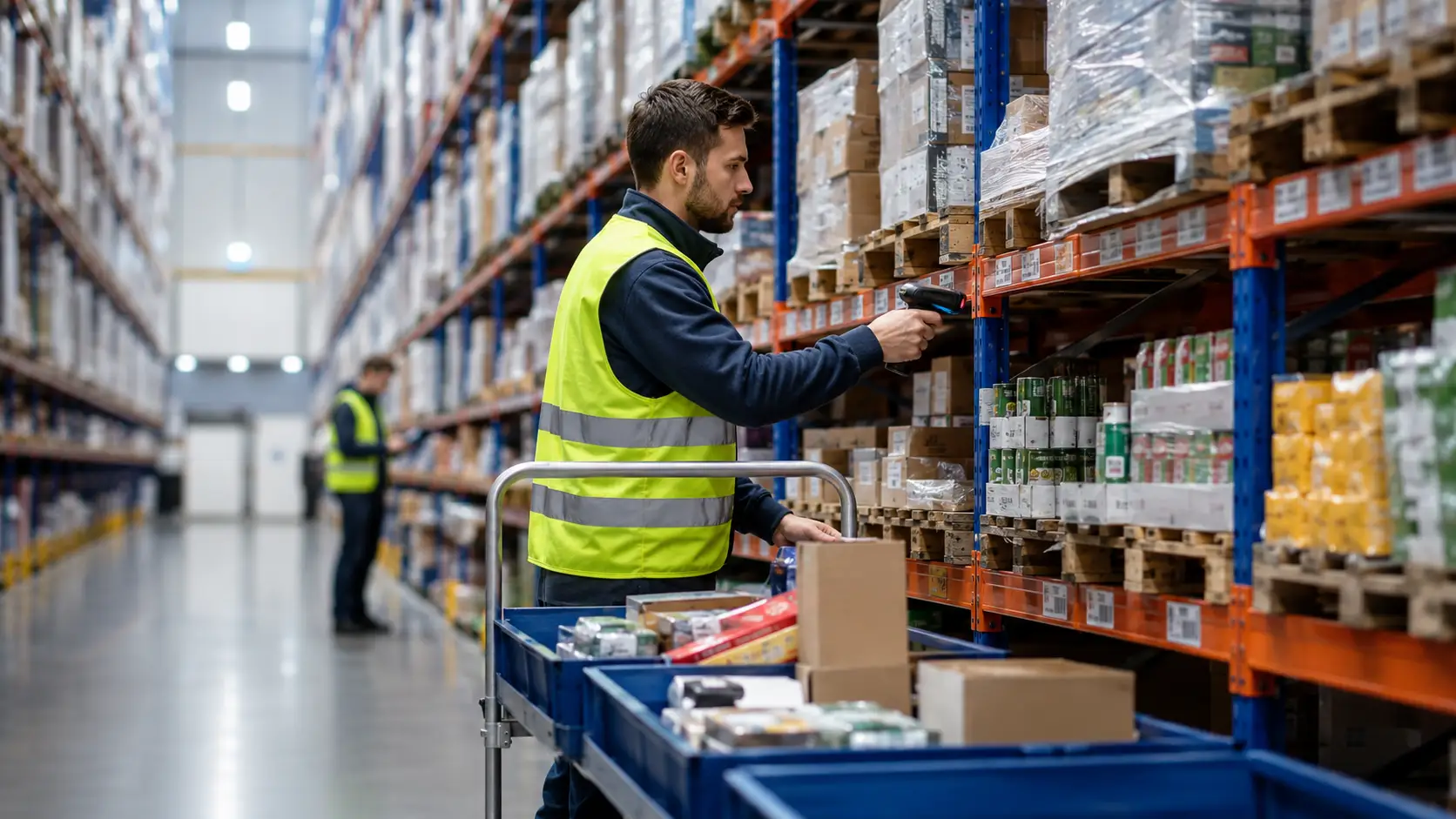
- 3PL (Third Party Logistics): The most popular model in which MPT Stanro takes over your key operations – from receiving deliveries, through storage, to picking and shipping to the end user.
- 4PL (Fourth Party Logistics): A model in which the operator becomes the integrator of the entire supply chain, managing multiple entities on your behalf.
- Fulfillment: A specialized service dedicated to e-commerce, including rapid processing of individual orders and efficient returns management.
Own warehouse costs – how much does a square meter really cost in 2026?
Building your own facility is a significant capital investment (CAPEX) that ties up your financial resources for many years. Rent or construction costs are just the tip of the iceberg of expenses you must bear as a warehouse owner. In 2026, the cost of building a modern warehouse ranges from 1200 to 4000 PLN/m2, with the market standard usually oscillating between 1450-2000 PLN/m2.
CAPEX and OPEX – from foundations to staff salaries
CAPEX refers to capital expenditures for infrastructure development, while OPEX refers to day-to-day operating costs. The table below shows how the costs of building a facility are broken down:
| Investment element | Share in the construction cost structure |
|---|---|
| Foundations and flooring with high load-bearing capacity | 40% |
| Steel structure | 30% |
| Wall and roof cladding (thermal insulation) | 20-23% |
| Joinery (doors, gates) | 5-6% |
Once the investment is complete, your challenge becomes operating costs. In our own model, as much as 80% are fixed costswhich you incur regardless of how full your warehouse is. Key components of current expenses include:
- Local taxes and property insurance.
- Utilities (heating, lighting, water).
- Servicing of machinery and equipment, including forklifts and shelving.
- Salaries of warehouse and administration staff.
- Security and monitoring of the facility.
Taking into account rental rates in locations such as Goleniów Industrial Park (approx. 4-6 EUR/m2), your own facility requires a huge scale of turnover to achieve profitability.
Warehouse outsourcing in practice – advantages of the Pay-per-use model
The pay-per-use model revolutionizes your company's financial structure by replacing rigid fixed costs with flexible variable costs. You only pay for what you actually use at any given time. Your expenses are directly correlated with current sales volume, which is ideal for highly seasonal environments.
Fee structure – storage, picking and shipping
Cooperation with the operator is based on transparent cost parameters. The average storage rate in Poland in 2026 is 20-25 PLN per pallet per monthEven though we are seeing an increase in energy costs of approx. 15% y/y, operators like us take this pressure on themselves by optimizing consumption in large distribution centers.
A standard contract logistics billing model typically includes the following operations:
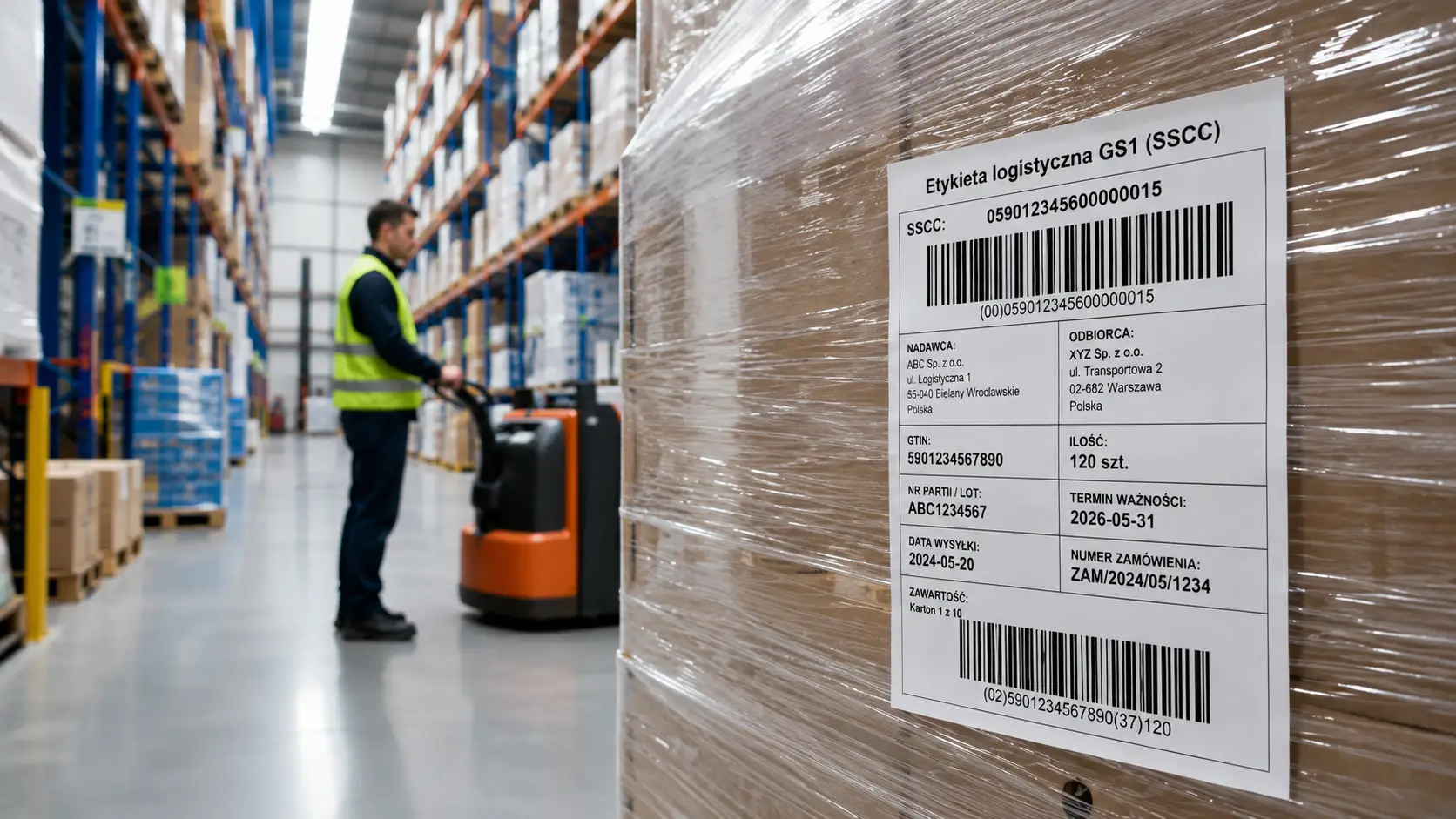
- Acceptance of delivery and quality control.
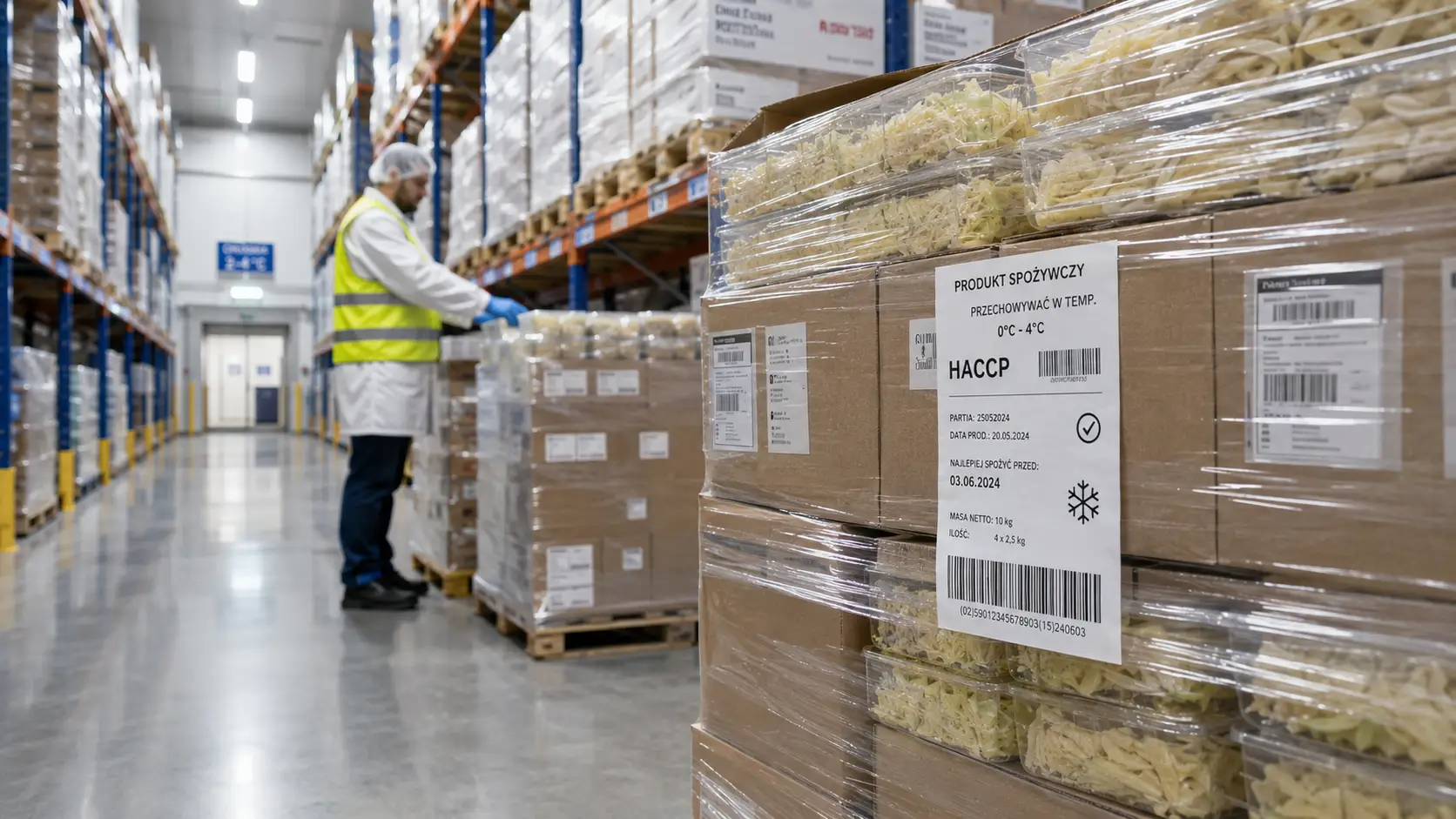
- Storage in appropriate conditions (including cold chain for FMCG).
- Completion per order line.
- Shipping depends on size and destination.
Our modern infrastructure and our own fleet guarantee you 99% order fulfillmentThis eliminates the risk of losses resulting from operational errors and staffing shortages. If logistics isn't your core business, focus on trade and entrust operations to professionals.
TCO and NPV Analysis – When Warehouse Outsourcing Becomes More Profitable
To make a rational decision, you need to analyze the Total Cost of Ownership (TCO). The crossover point occurs when the outsourcer's margin becomes lower than the costs of maintaining unused space and in-house staff. The NPV (Net Present Value) methodology clearly shows that for most mid-sized businesses, outsourcing offers a higher rate of return on investment.
Advantages and disadvantages of both solutions – expert comparison
Choosing between an in-house or outsourced model requires a fair comparison of the benefits and limitations. The table below helps summarize the key aspects of both solutions:
| Characteristic | Warehouse outsourcing | Own warehouse |
|---|---|---|
| Advantages | No CAPEX, instant scalability, access to WMS technology, flexibility during peaks. | Full control over the process, no third party margin, free personalization of the object. |
| Defects | Dependence on operator processes, need for system integration. | High personnel risk, difficult expansion, very high fixed costs. |
Market trends and risks – what you need to know before signing a contract
The logistics market in Poland is rapidly professionalizing. The supply of warehouse space will exceed 36 million m2 in mid-2026, but rising ESG requirements and labor costs pose new challenges for facility owners. Carbon footprint reporting will become a market standard from 2026.
Before making a final decision on how to store your goods, it is worth analyzing four key risk areas:
- ESG Alert: By using the MPT Stanro center in Goleniów, you automatically meet environmental requirements thanks to our eco-friendly infrastructure.
- Alert Automation: The cost of implementing automation in a small warehouse is disproportionately high. 3PL providers spread these costs across multiple clients.
- Personnel Risk: A lack of qualified warehouse workers is the most common cause of downtime in in-house facilities. In outsourcing, the operator is responsible for process continuity.
- Export Restrictions: Managing Pfand or Statiegeld systems independently generates a high risk of errors. A professional partner minimizes this risk.
How to Make a Decision? MPT Stanro Recommendations for Your Business
The model you choose depends on the specifics of your business. Answer these key questions: Are your sales highly seasonal? Do you have the spare capital to invest several million złoty? How quickly do you need to increase shipping efficiency?
Based on many years of cooperation with the FMCG market, we have prepared specific recommendations tailored to the scale of the company:
- Small e-commerce: Choose fulfillmentThis allows you to minimize financial risk and pay only for packages shipped.
- Medium-sized FMCG companies: Bet on contract logisticsThis is the safest model, allowing for dynamic growth without tying up capital.
- Big players: Consider a hybrid model – your own center for stable volume and 3PL operator support for servicing regional or export markets.
Make data-driven decisions and ensure your company's operational security. Our 30 years of experience and certified fleet are at your disposal.
Check the offer pallet storage at MPT Stanro
Frequently asked questions about warehouse outsourcing and own warehouse
Outsourcing becomes unrivaled when your company struggles with highly seasonal sales or doesn't want to tie up capital in construction investments. This model allows you to pay only for pallet spaces actually occupied and operations performed, drastically lowering the break-even point compared to maintaining an empty warehouse.
Key risks include rising labor costs and difficulties recruiting staff, as well as inflationary pressures driving up utility and machine maintenance costs. Furthermore, owning your own facility limits your flexibility – the process of expanding or leasing new space can take months, which can effectively hinder your growth at key moments.
Yes, as a specialized FMCG partner, we provide comprehensive services for fresh products such as dairy, meat, and cold cuts. We maintain strict temperature controls throughout the entire process. Our modern distribution center and certified fleet guarantee the safety of your goods and maximize the sales window for your customers.